5540 River Road, Donalsonville, GA 39845

This is bobcat country! Looking around you can see many bobcat ‘named’ things everywhere in southwest Georgia, especially if you live in Early County. Our region is synonymous with peanuts, sweet tea, and bobcats, but how much do we know about the bobcat and how many of us have seen one in the wild. Bobcats, Latin name Lynx rufus, with their distinctive spotted coats, short “bobbed” tails, and ear tufts, are one of Georgia’s most fascinating native predators. Bobcats are the only native wild cats in Georgia and are well adaptable to the various environments of our state from the mountains to coastal marshes and down to the swamplands. Though sightings are rare, bobcats can be found throughout the state and are a vital part of the ecosystem.
Bobcats are stealthy hunters and are more often heard than seen in Georgia. I know I have heard plenty of bobcats out in the distance in the swampland behind my house, but I have only seen one by chance out in the wild for a brief moment. These nocturnal animals typically avoid humans but are occasionally spotted in residential areas due to habitat encroachment. You are more likely to spot these felines when you are out hunting or exploring wooded areas, though the bobcats will surely see you before you notice them. Their preferred hunting grounds include field edges, creeks, ditches, and wetlands where they skillfully prey on rabbits, small mammals, birds, and waterfowl.
The average lifespan of a Georgia bobcat is 6-8 years in the wild, but they can live to 20 years or more in captivity. Bobcats are about twice the size of a common house cat and carry many of the same traits as their domesticated relatives. While they may have some similarities there are important differences between a common house cat and a bobcat – the main one being they are wild animals who will fiercely defend their home ranges. It is illegal to keep a bobcat as a pet in Georgia and any abandoned kittens should be reported to the nearest wildlife rescue center. The Nepenthic Society of Thomasville, Georgia is the closet wildlife rescue that accepts bobcats in our area.
The bobcat habitat spans North America, from southern Canada to northern Mexico, including 12 subspecies. However, all bobcats share common characteristics, such as their tufted ears and short tails. Their fur ranges from tan to brown with darker spots or stripes, helping them blend into their environment. Bobcats mate from January to March, producing a litter of 2-3 kittens. These young bobcats, like house cats, are born with their eyes closed and rely entirely on their mother for food and protection. The mother raises the kittens in dens, often located in caves, rock piles, hollow logs, or fallen trees. These dens are often reused for years, providing a haven for raising young. The father has no role in raising the kittens and resumes his solitary life after mating. By five months old, the kittens begin learning to hunt with their mother.
Bobcats are native to North America and are found in every U.S. state except Alaska and Hawaii which are outside of their native habitat range, and Delaware. In Delaware, the native bobcat population was eliminated by 1850 due to habitat destruction. Efforts in other states aim to preserve habitats to prevent similar outcomes. While most bobcats are thriving, one subspecies, Lynx rufus escuinapae (the Mexican Bobcat), is federally listed as endangered. Bobcat populations are doing well in many regions, but continued habitat conservation is vital to preserve the longevity of this important predator in the North American ecosystem.
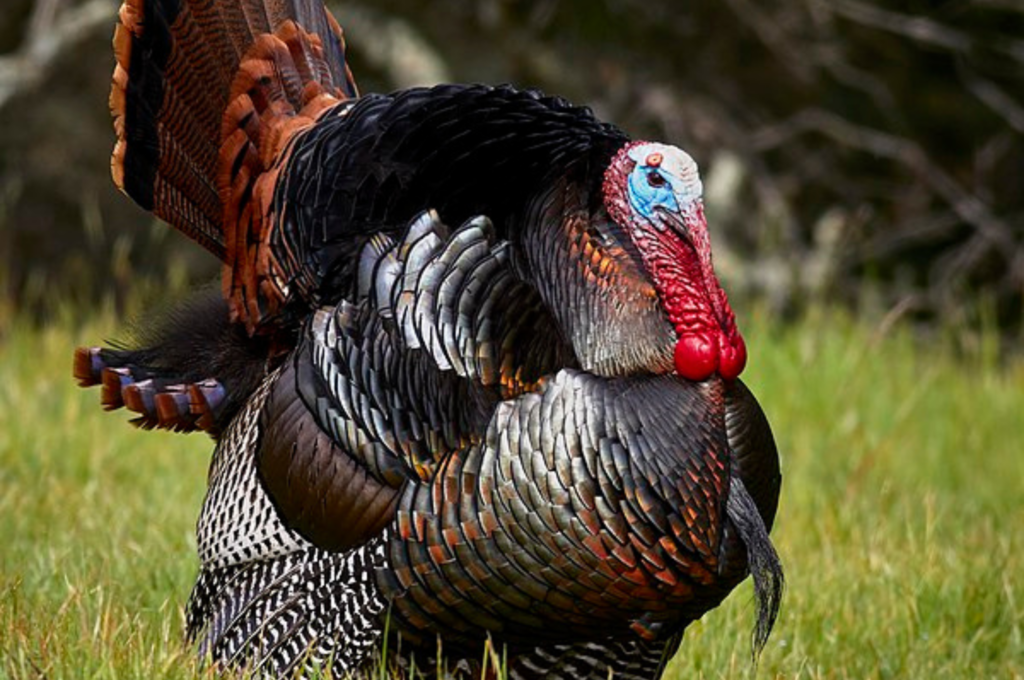
Bobcats are elusive and typically avoid humans with less than half a dozen bobcat attacks being reported in Georgia. But there is one notable tale of human interaction involving Larry “Pat” McFadden. Pat was famously skilled at turkey calling and while hunting one day on the property, many years before it was publicly opened, his realistic turkey call inadvertently attracted a bobcat. The bobcat, hoping for a tasty turkey treat, was sorely disappointed to find himself on the back of Pat McFadden – who was also not too pleased to find a bobcat on his back. This encounter landed Pat in the hospital for rabies shots, a second unpleasant experience for the day! This cautionary tale is a great reminder to be careful calling turkeys in bobcat country.
Though they often go unnoticed, bobcats play a critical role in maintaining healthy ecosystems by controlling prey populations. As development continues to encroach on their natural habitats, understanding and respecting these magnificent creatures is vital for coexistence. Next time you’re exploring Georgia’s wild spaces, keep an eye out for tracks or the occasional glimpse of a bobcat—one of the state’s most secretive and captivating residents.